Joy as a Leadership Advantage: The Strategic Fuel for High-Performing Teams
During a recent HR executive cruise, I paused when I saw a ship docked in the harbor with a simple name painted boldly on its side: JOY.
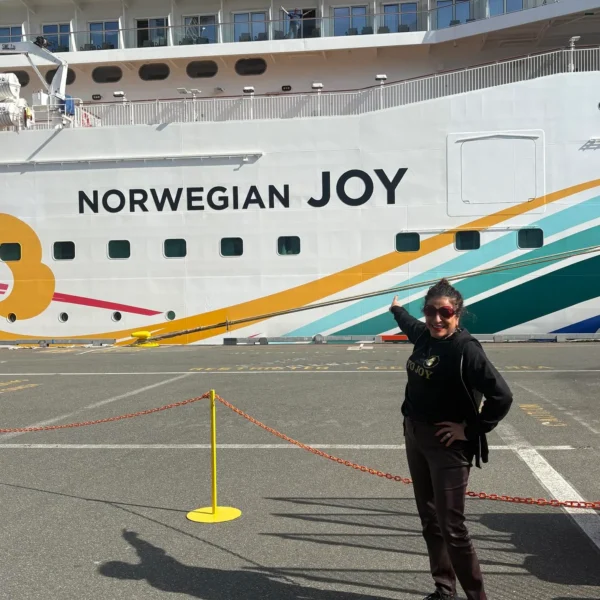
Of all the massive vessels in the harbor, that was the one that completely caught my attention. It wasn’t because of its size, and it wasn’t because of its structural design. It was entirely because of its name.
Joy as a Leadership Advantage
We live in a corporate world that consistently celebrates the relentless hustle, immense pressure, and constant achievement. In these high-stress environments, we often treat happiness as an optional luxury. In reality, prioritizing joy as a leadership advantage is the ultimate competitive edge for modern organizations.
The Hard Science of a Joyful Workplace
When leaders dismiss emotional well-being as “soft,” they miss out on massive operational gains. Joy is not organizational fluff; joy is operational fuel.
Data shows that cultivating a positive, mentally fit work environment directly impacts the bottom line:
Productivity Gains: Research shows that joyful employees are 13% more productive in their daily roles.
Competitive Outperformance: Organizations with happier, more highly engaged employees outperform their direct competition by as much as 20%.
Cognitive Expansion: Joy helps us think more creatively, strengthens team relationships, and expands our collective ability to see strategic possibilities when stress narrows our focus.
The Traditional Approach vs. The Joy Advantage
When teams navigate organizational change, intense pressure, market uncertainty, or systemic burnout, the type of culture you build determines how fast you recover.
| Metric / Focus Area | The Traditional "Hustle" Approach | The Strategic Joy Advantage |
|---|---|---|
|
Problem Solving |
Done under high pressure; narrows cognitive focus to survival. |
Done with expansive thinking; unlocks creative possibilities. |
|
Team Performance |
Driven by fear of failure and chronic burnout. |
Driven by intrinsic engagement; achieves 13% higher productivity. |
|
Organizational Resilience |
Teams fracture under stress, leading to high turnover. |
Teams stay connected, transforming challenges into opportunities. |
Mindset Over Circumstance: Navigating the Storm
As I stood next to that ship in the harbor, I was reminded that joy is a deliberate choice we must make every single day. We don’t choose it because corporate life is perfect; we choose it because our baseline mindset shapes exactly how we navigate what life brings.
The strategic destination matters. But so does the vessel that carries us there. There is no better vessel for a high-pressure team than joy.
If your organization is currently navigating heavy transition periods, it is time to stop treating happiness as a “nice-to-have” benefit and start utilizing joy as a leadership advantage.
Summary: Building Your Resilient Vessel
True transformation happens when we shift from surviving to thriving. By actively implementing mental fitness practices and silencing the internal saboteurs that cause chronic stress, leaders can build an anchor of grounded positivity that expands what is possible for their business.
The question every executive must ask themselves today is: “What is one concrete thing I am doing right now to bring more intentional joy into my team’s daily operations?”
Frequently Asked Questions
Why is joy considered a strategic leadership advantage rather than a soft skill?
How can a leader introduce joy into a high-pressure, burnout-heavy environment?
Does focusing on employee happiness reduce accountability or performance?
Want to explore how your team or organization can build a culture of joy through mental fitness and resilient leadership? Let’s connect.

Dorice Horenstein helps organizations bring out the best in their people by creating a path to human flourishing under pressure. An international keynote speaker, Mental Fitness and Positive Intelligence® expert, and author of Choose to Be Your Own Champion and the best-selling Moments of the Heart, Dorice brings more than 30 years of leadership and education experience to her work with leaders and teams.
She equips people with the Champion Mindset and practical tools to think clearly, choose intentionally, and act confidently when it matters most.
With infectious energy, humor, and practical wisdom, Dorice transforms stress into clarity, disconnection into meaningful connection, and everyday challenges into opportunities for growth. Her unique approach connects brain and heart—combining neuroscience and mental fitness with decades of leadership experience and universal wisdom.
Dorice inspires people to rise to their Champion Level, strengthen relationships, and create workplaces where people and performance flourish together.