Team Building vs Team Entertainment: Why Your Happy Hour Isn’t Fixing Culture
Recently, an HR leader asked me if I offer team-building activities. When I said yes, they immediately followed up by asking if my sessions involved rock climbing, escape rooms, karaoke, bowling, or organizing a company happy hour.
My answer surprised them: “No.”
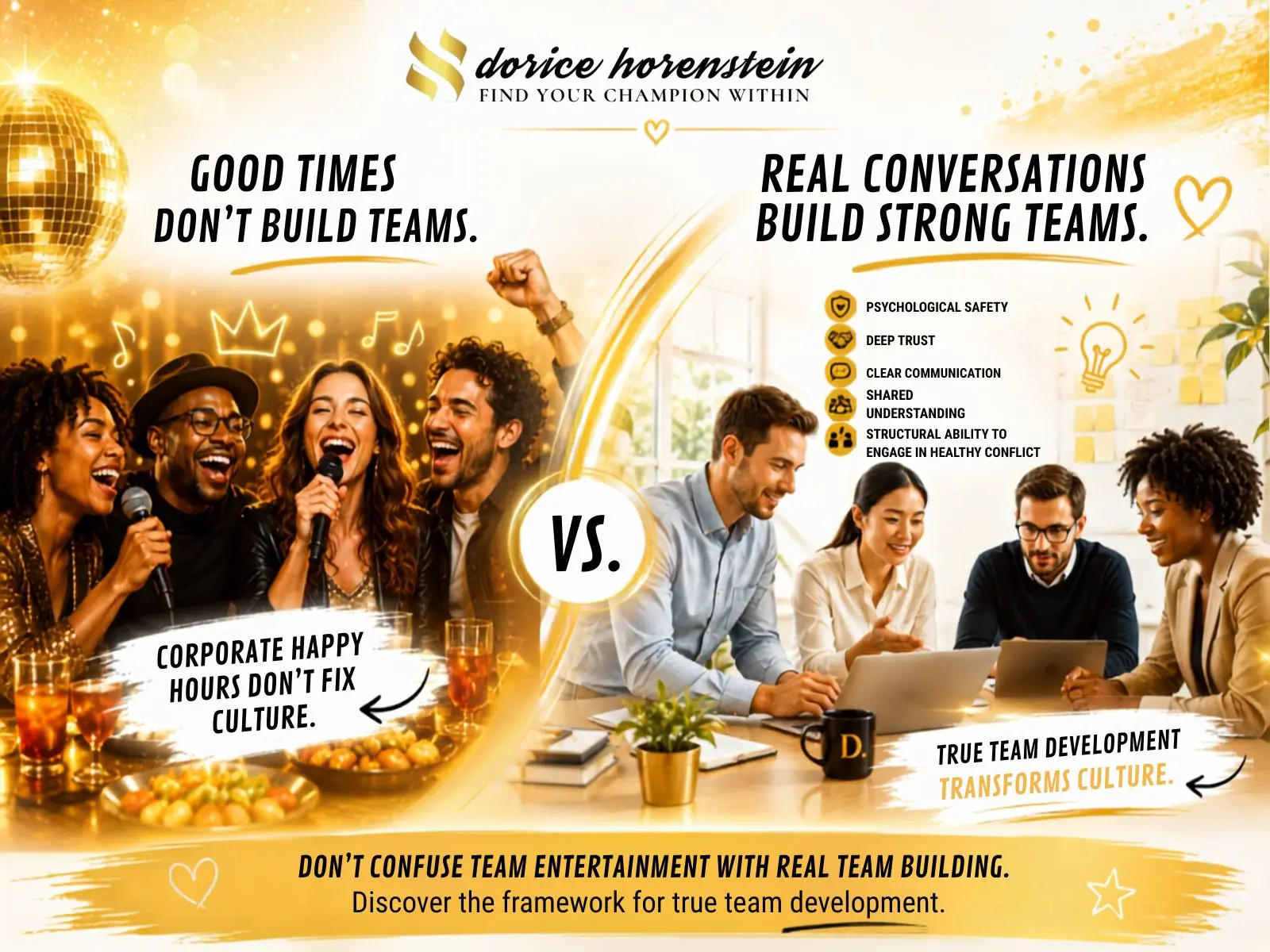
Before anyone gets upset, let me be clear: I genuinely enjoy those activities. They are fun, they create excellent memories, and they help people relax and laugh together. But we need to call them what they are. They represent team entertainment—and team entertainment is not the same as strategic team development.
Understandably, it’s easy to confuse the two. But when analyzing team building vs team entertainment, the differences become vividly apparent the second your team faces real workplace stress.
The Monday Morning Reality Check
A group can spend an evening singing karaoke, sharing appetizers, and cheering one another on. Everyone leaves smiling. Then Monday arrives.
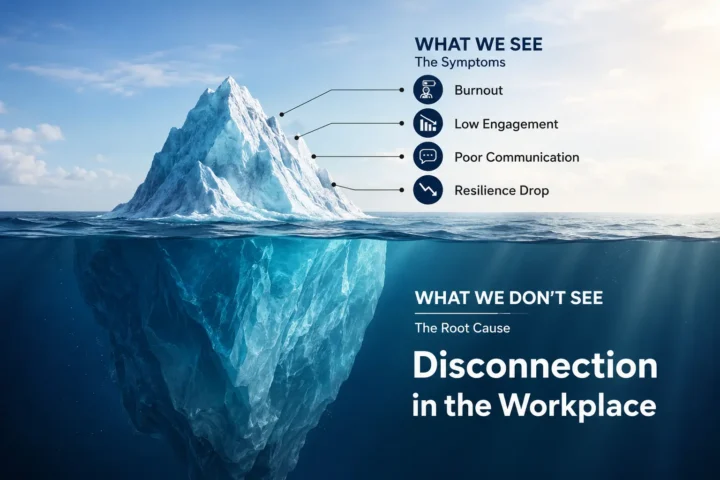
A deadline is missed. A team member feels unheard. Someone avoids a difficult conversation. A leader becomes controlling under pressure, and another person completely withdraws. Suddenly, the good feelings from Thursday night are nowhere to be found.
Why? Because the challenge was never whether your people could have fun together. The challenge was whether they could work through differences together.
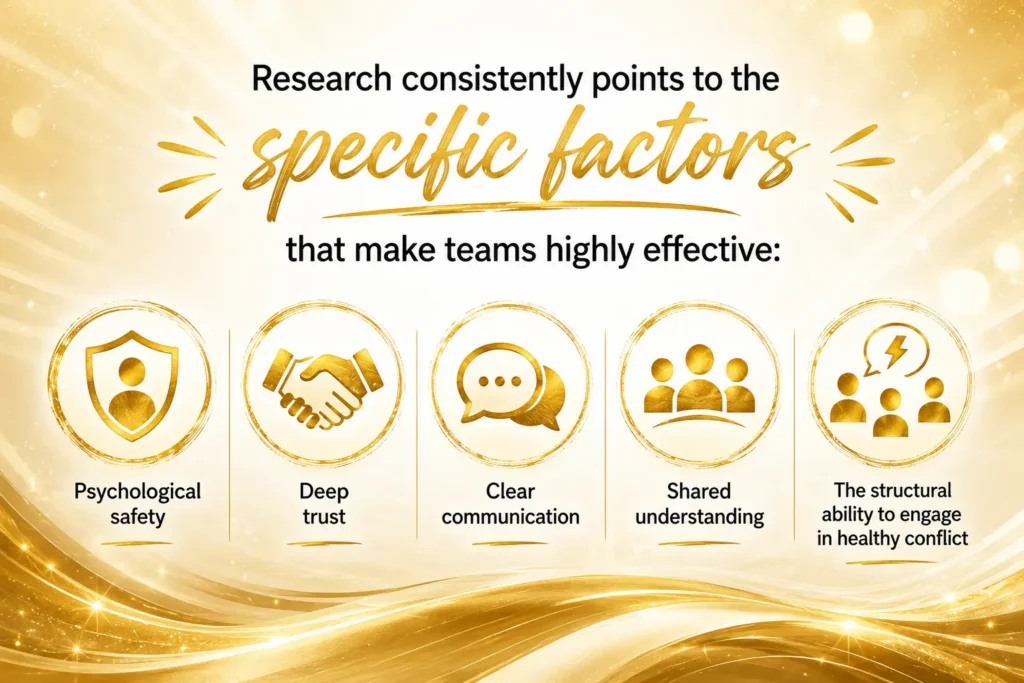
Teams thrive when people feel safe speaking up, asking questions, admitting mistakes, and offering different perspectives. Those skills are not developed by holding a refreshing beverage in one hand and a karaoke microphone in the other. They are developed through meaningful, structured conversation.
Strategic Distinctions: Entertainment vs. Development
To build a healthier culture, stronger relationships, and better collaboration, leaders must recognize where to invest their resources.
| Feature/Goal | Team Entertainment (Social Events) | Team Development (True Team Building) |
|---|---|---|
|
Primary Objective |
Relaxation, casual bonding, and immediate fun. |
Building psychological safety, trust, and capability. |
|
Core Activity |
Escape rooms, bowling, happy hours, sports. |
Value-based discussions, scenario handling, mindset work. |
|
Handling Pressure |
Teams fracture under stress, leading to high turnMasks symptoms of stress temporarily.over. |
Explores the “saboteurs” and behaviors that block communication. |
|
Long-Term Impact |
Creates a fun, temporary memory. |
Creates a lasting organizational transformation. |
|
The Result |
A happier Friday morning. |
A stronger, more resilient Monday morning. |
A Different Approach to Team Development
This is why my approach to team development looks fundamentally different than a standard corporate outing:
Instead of climbing walls: We explore the emotional and psychological walls teammates have built between one another.
Instead of escape rooms: We examine the operational and behavioral patterns that keep teams stuck in cyclical conflicts.
Instead of competing: We learn how to deeply understand and leverage our personality and value differences.
Using Positive Intelligence principles, leadership dynamics, and practical workplace scenarios, teams learn exactly how they react under pressure. They discover the specific inner saboteurs that hijack their communication and practice accessing their Sage—the wiser, calmer, more curious part of the brain.
The result is not simply a fun afternoon. The result is a structurally stronger Monday morning where leaders listen better, teams address conflict earlier, trust grows, and overall performance improves.
Entertainment creates a moment. Development creates transformation. One creates memories; the other creates capability. And capability is what carries a team through the storms.
Frequently Asked Questions
What is the main difference in team building vs team entertainment?
Should companies stop investing in team entertainment like happy hours?
How does Positive Intelligence apply to team building activities?
Want to explore how your team or organization can build a culture of joy through mental fitness and resilient leadership? Let’s connect.

Dorice Horenstein helps organizations bring out the best in their people by creating a path to human flourishing under pressure. An international keynote speaker, Mental Fitness and Positive Intelligence® expert, and author of Choose to Be Your Own Champion and the best-selling Moments of the Heart, Dorice brings more than 30 years of leadership and education experience to her work with leaders and teams.
She equips people with the Champion Mindset and practical tools to think clearly, choose intentionally, and act confidently when it matters most.
With infectious energy, humor, and practical wisdom, Dorice transforms stress into clarity, disconnection into meaningful connection, and everyday challenges into opportunities for growth. Her unique approach connects brain and heart—combining neuroscience and mental fitness with decades of leadership experience and universal wisdom.
Dorice inspires people to rise to their Champion Level, strengthen relationships, and create workplaces where people and performance flourish together.