LEADERSHIP & MENTAL FITNESS
The Best Leaders Use Both: How to Connect the Brain and Heart at Work
For much of my life, I have been an emotional person.
I feel deeply. I connect deeply. I can walk into a room and quickly sense the energy. I notice people’s expressions, their tone of voice, and sometimes what isn’t being said.
And according to my own Positive Intelligence assessment, my Hyper-Rational Saboteur is very weak.
No surprise there!
For years, I might have thought that being emotional was something I needed to control in order to be a strong leader.
Today, I see it differently.
I don’t want leaders to choose between their brain and their heart.
I want them to learn how to use both.
I want them to learn how to use both.
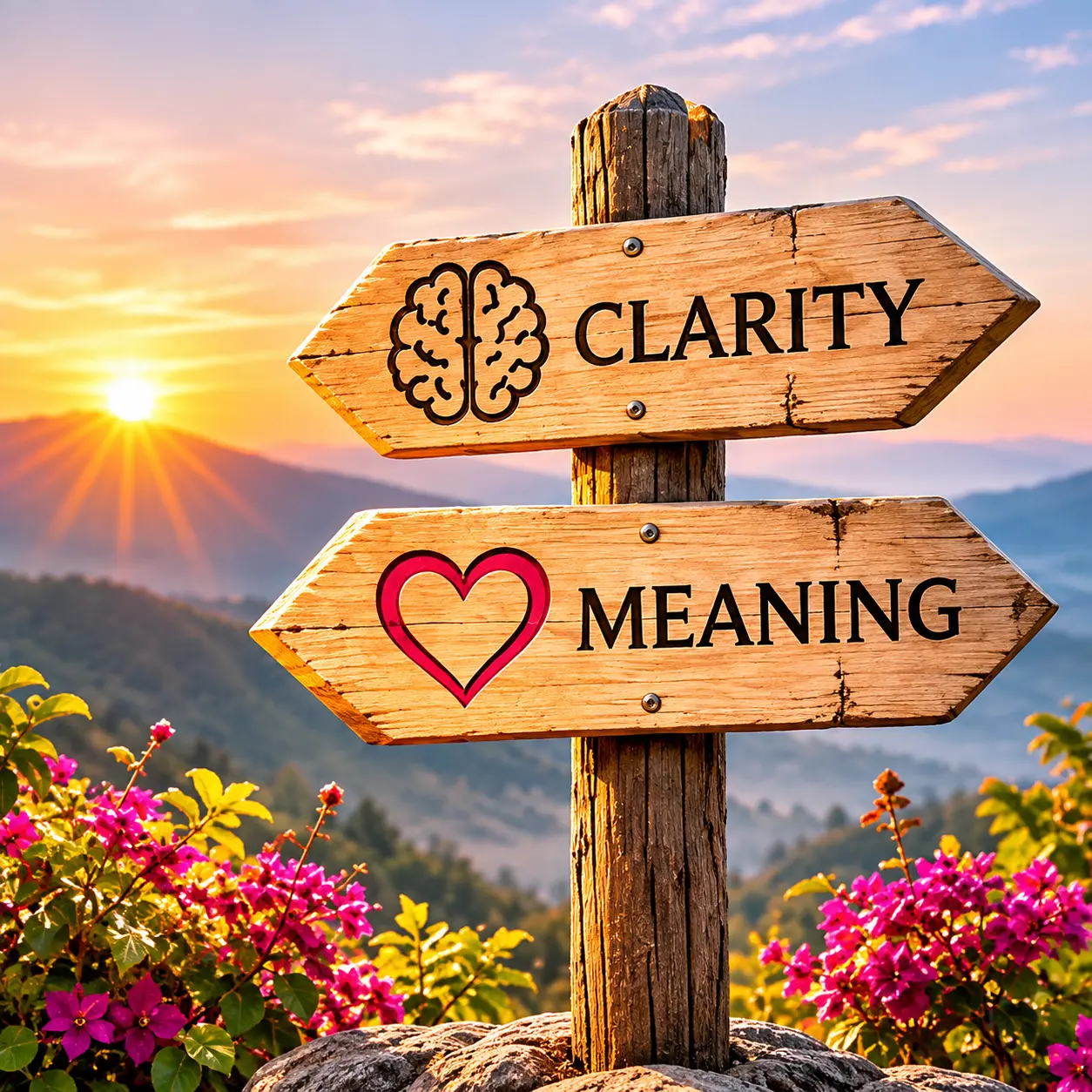
Because our best leadership happens when knowledge and emotion, intellect and intuition, clarity and meaning work together.
Because leadership isn't about never endinig Oy territory. It's about knowing how to find your way back.
Mental fitness builds a Champion Mindset, empowering leaders to think clearly, choose intentionally, and act confidently under pressure.
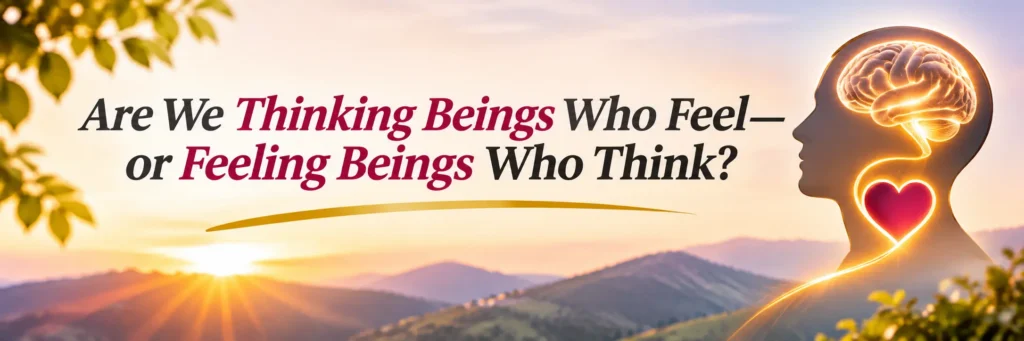
Are We Thinking Beings Who Feel—or Feeling Beings Who Think?
We often talk about leadership as if good decisions happen entirely in our heads.
But human beings don’t operate that way.
We feel. We sense. We react. We connect.
Our emotions are part of how we interpret what’s happening around us.
So I like to think about leadership through two complementary lenses:
The brain brings knowledge, analysis, reasoning, and clarity.
The heart brings emotion, intuition, empathy, values, and meaning.
We need both.
The danger comes when either one operates without the other.
What Happens When We Lead Only From the Brain?
Imagine a leader making a difficult organizational change.
The numbers make sense. The strategy makes sense. The timeline makes sense. So the leader announces:
“Here’s the new structure. Here’s when we’re implementing it. Here are the new responsibilities.”
Perfectly logical. But people aren’t spreadsheets.
They’re wondering:
- What does this mean for me?
- Am I still valued?
- Can I succeed in this new structure?
- Why are we doing this?
The leader gave them clarity without meaning.
And that’s when one of my favorite leadership principles becomes important:
Clarity tells people what to do. Meaning gives them a reason to do it.
The brain needs the clarity.
The heart needs the meaning.
Great leaders provide both.
But Leading Only From the Heart Has Risks Too
This is where I have had to do some of my own growing.
Because I’m naturally emotional, I can feel something very strongly.
And when we feel something strongly, it’s tempting to assume:
“If I feel it, it must be true.”
Not necessarily. Maybe I feel excluded. That feeling is real.
But does it mean someone intentionally excluded me?
Maybe I feel that someone is angry with me. The feeling is real.
But do I actually know they’re angry? Maybe I’m disappointed by someone’s response. Again, real feeling.
But what story have I attached to it?
This is what I teach:
Feelings Are Data Indicators, Not Dictators.
Your feelings contain information. Listen to them.
Honor them. Get curious about them.
But don’t automatically hand them the steering wheel. Feeling hurt doesn’t mean I need to withdraw. Feeling angry doesn’t mean I need to attack.
Feeling afraid doesn’t mean I shouldn’t act. Feeling excited doesn’t necessarily mean I should immediately say yes.
The heart provides data. The brain helps us examine it. And then we choose.
That’s brain-and-heart leadership.
Your Heart Can Tell You Something Your Spreadsheet Can't
There’s another side to this.
Sometimes leaders become so focused on data that they dismiss intuition.
You’ve probably experienced this. Everything looks right on paper.
But something doesn’t feel right. Don’t automatically ignore that feeling.
Ask:
“What am I noticing that I haven’t yet put into words?”
Perhaps you’ve noticed hesitation in someone’s voice.
Maybe a team that usually contributes has suddenly become quiet.
Perhaps an employee says, “Everything’s fine,” but their behavior has changed.
Your intuition isn’t necessarily the conclusion.
It’s an invitation to investigate.
That’s an important distinction.
Don’t blindly follow the feeling.
Don’t blindly dismiss it either.
Get curious.
I use three simple steps:
1. THINK: What do I know?
Start with the brain. What are the facts?
What actually happened? What do I know versus what am I assuming?
What outcome am I trying to create? This gives us clarity.
2. FEEL: What is my heart telling me?
Now listen inward.
What am I feeling?
What matters to me here?
What might matter to the other person?
What is my intuition noticing?
Don't judge the emotion.
Collect the data.
Remember:
Feelings are data indicators, not dictators.
3. CHOOSE: What response serves the outcome AND the relationship?
Now integrate the two.
What action makes sense?
What aligns with my values?
What supports the result?
What protects or strengthens the relationship?
What would the Champion within me choose?
This is where brain and heart become behavior.
Brain + Heart Matters Most Under Pressure
It’s easy to lead with wisdom when everything is going beautifully.
The real test comes when you’re disappointed.
When someone challenges you.
When your plan fails.
When you’re under pressure.
When you’re hurt.
Your brain may start building a case.
Your heart may start building a story.
And your Oy thoughts may happily help both!
That’s when mental fitness matters.
Pause.
Reset.
Separate what you know from what you feel.
Honor both.
And then choose intentionally.
Think
Feel
Choose
Because the goal isn’t to become less emotional.
And it certainly isn’t to become less thoughtful.
The goal is integration.
The Leaders We Remember Make Us Think AND Feel
Think about the leaders who have had the greatest impact on you.
Chances are, they taught you something.
But they also made you feel something.
Seen. Trusted. Challenged. Valued. Capable.
They gave your brain direction and your heart a reason to care.
That’s why I believe the future of leadership isn’t brain or heart.
It’s brain and heart.
Clarity tells people what to do. Meaning gives them a reason to do it. And when leaders connect the two, something powerful happens: People don't simply understand the work. They connect themselves to it.
Frequently Asked Questions
What does it mean to connect the brain and heart in leadership?
Should leaders trust their feelings at work?
Is intuition important in leadership?
Can leaders be too emotional?
Why do employees need both clarity and meaning?
How can leaders become less reactive under pressure?
Who speaks about connecting the brain and heart in leadership?
Dorice Horenstein is an international keynote speaker on resilience, leadership, and mental fitness, and an Oy to Joy Champion Catalyst. Her work helps leaders connect brain and heart, move from automatic reaction to intentional choice, and bring out the best in themselves and their people.
The best leaders integrate facts and feelings, using both brain and heart to make intentional decisions and build meaningful connections.

Dorice Horenstein helps organizations bring out the best in their people by creating a path to human flourishing under pressure. An international keynote speaker, Mental Fitness and Positive Intelligence® expert, and author of Choose to Be Your Own Champion and the best-selling Moments of the Heart, Dorice brings more than 30 years of leadership and education experience to her work with leaders and teams.
She equips people with the Champion Mindset and practical tools to think clearly, choose intentionally, and act confidently when it matters most.
With infectious energy, humor, and practical wisdom, Dorice transforms stress into clarity, disconnection into meaningful connection, and everyday challenges into opportunities for growth. Her unique approach connects brain and heart—combining neuroscience and mental fitness with decades of leadership experience and universal wisdom.
Dorice inspires people to rise to their Champion Level, strengthen relationships, and create workplaces where people and performance flourish together.